Water softener ads tend to promise everything from softer skin to lower bills. The honest case is narrower, and in hard water it’s stronger than the ads make it sound. Softening is mainly about how long your plumbing and appliances last.
Start With the Water You Actually Have
Victorville’s groundwater comes from the Mojave River basin, and it’s hard. The Victorville Water District publishes the current hardness figure in its Consumer Confidence Report. Hesperia, Apple Valley, and Adelanto are served by different providers, so check your own provider’s report. Our guide on how hard the water is here explains where those numbers come from and what they mean.
Hardness won’t hurt you. It hurts equipment, and in a house that adds up.
Where Untreated Hard Water Costs You
The water heater, first and by far the most. Scale settles on the tank bottom and insulates the burner from the water. The steel overheats, corrosion speeds up, and tanks can fail years before their rated life. Replacing a water heater early is the single biggest hard-water cost most households face, and in California a replacement also has to be properly strapped against earthquakes.
Tankless heaters, even faster. Their heat exchangers have narrow passages that scale up quickly. Without treatment, they need descaling often and still risk early failure.
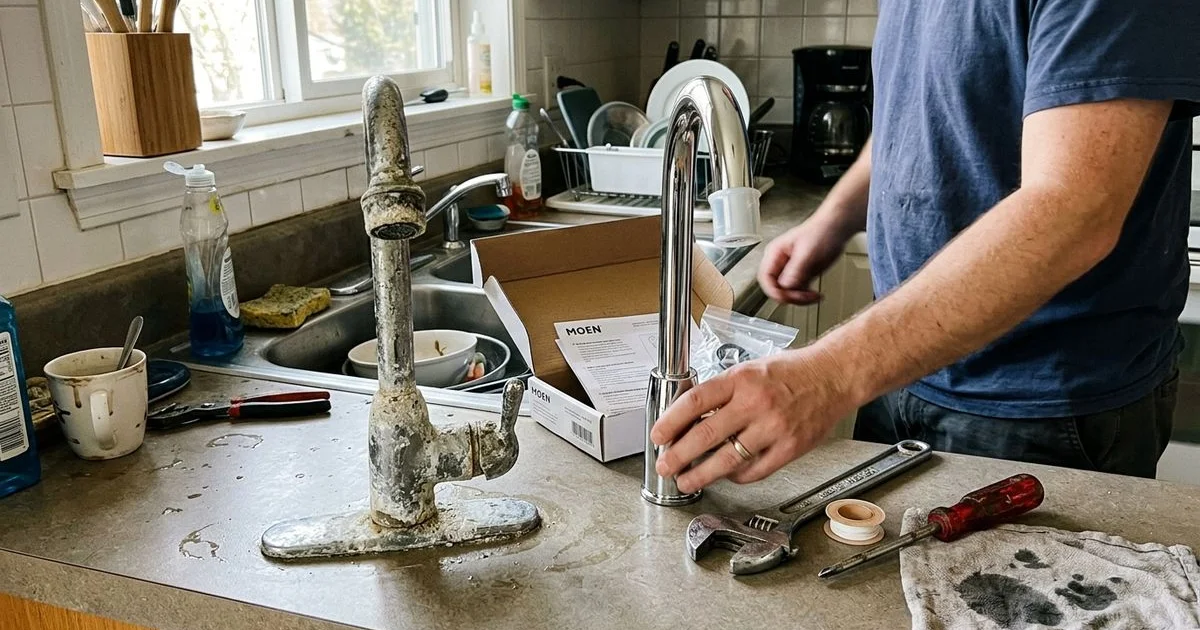
Faucets and valves. Ceramic cartridges get scored, valve seats crust over, and angle stops seize. A shutoff that won’t close is a problem you usually discover in the middle of an emergency.
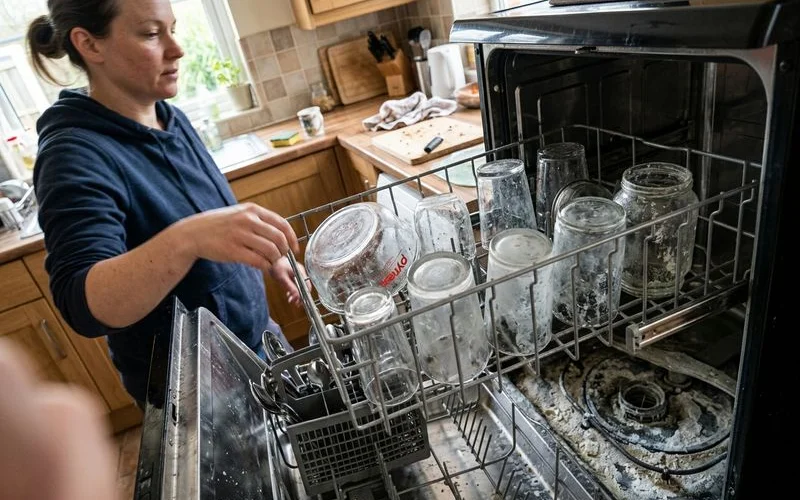
Appliances. Dishwashers and washing machines heat water, and their elements and valves scale the same way a water heater does.
Energy. A heater fighting a scale layer runs longer to deliver the same hot water.
Five Signs It’s Already Costing You
| Sign | What it means |
|---|---|
| You replaced a water heater well before its rated life | Scale is the usual reason |
| Your water heater pops or rumbles | A sediment layer has formed |
| You’re on your second or third faucet cartridge | Minerals are wearing out the seals |
| Shower heads need scrubbing every few weeks | Heavy mineral deposits |
| Glassware comes out of the dishwasher cloudy | Scale on the glass and the machine |
If two or more of those sound familiar, the case for treatment is already being made in your house.
What Ownership Really Involves
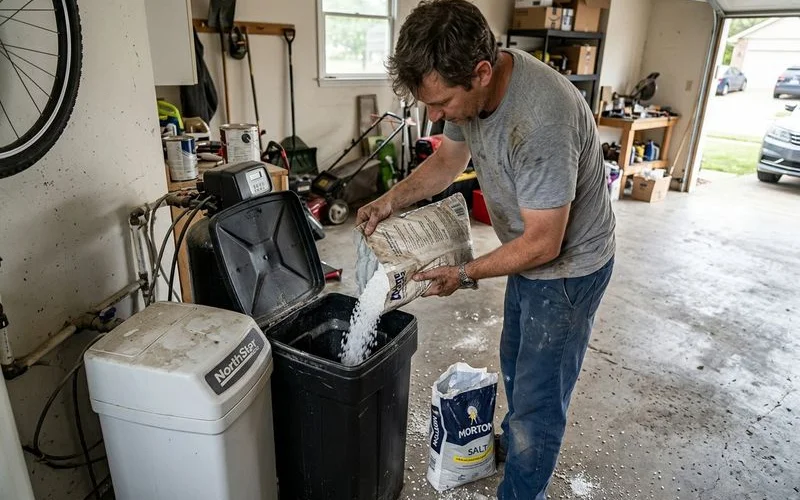
A salt-based softener isn’t free to run, and pretending otherwise doesn’t help anyone decide.
- Salt. The brine tank needs refilling every few weeks. The harder the water and the bigger the household, the more salt it uses.
- Water for regeneration. The unit uses some water to flush the resin during each cycle.
- Occasional service. The control valve and resin bed need checking now and then.
- A drain and some floor space. Usually in the garage near where the water comes in.
What you get back: water heaters that last closer to their rated life, fixtures that need fewer repairs, fewer scrubbing sessions, and less soap and detergent to get the same result.
The clearer yes
You have a tankless heater. You’ve already replaced a heater early. You’re replacing one now. Your faucets keep dripping. You plan to stay in the home for years. Any one of those makes the case stronger.
When It’s a Weaker Case
- You’re moving within a year. The next owner gets most of the benefit.
- The home is rarely used, like a second home or a lightly used rental.
- Salt handling isn’t realistic and delivery isn’t an option. A salt-free conditioner is a partial alternative here. It changes how scale forms but doesn’t remove hardness, so expect less protection.
What a Softener Won’t Do
- It won’t make drinking water taste better. A reverse osmosis tap at the kitchen sink does that.
- It won’t remove chlorine taste or sediment. Whole-house filtration does that.
- It won’t clean out scale that’s already built up. It stops new scale from forming.
Get a Recommendation That Fits Your House
The right answer depends on your measured hardness, household size, and what equipment you’re trying to protect. Victorville Plumbing Pros answers 24/7 through a bilingual automated assistant that routes your request to a local plumber who handles water softeners and reverse osmosis. Request a free estimate, and ask about any service call fee when you call.