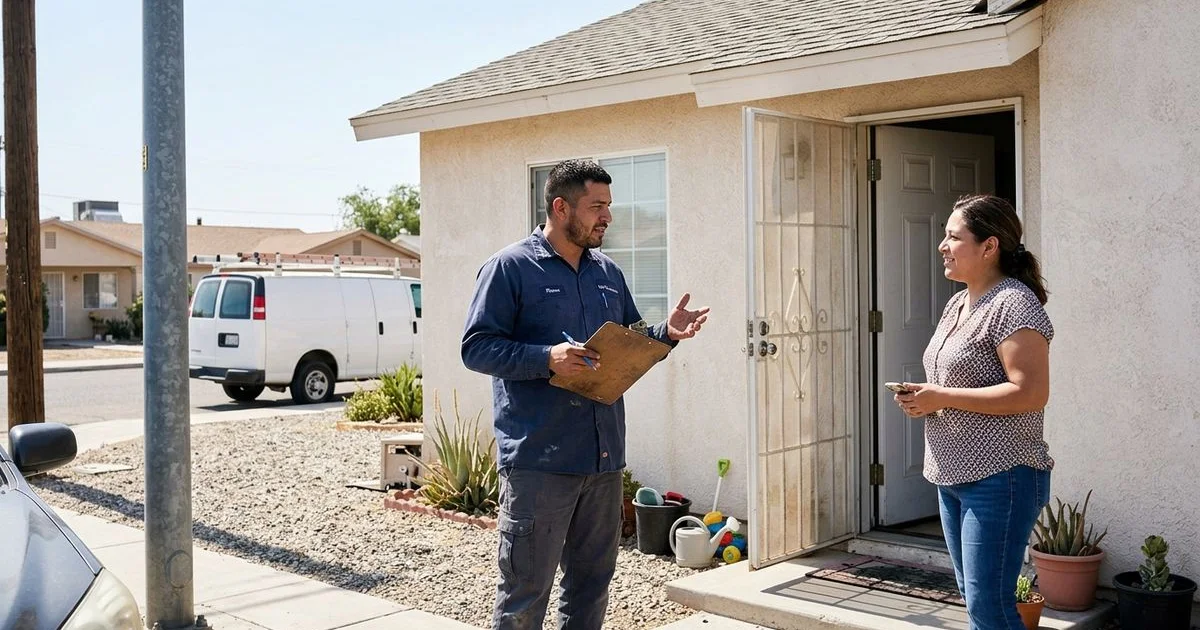
When water is on the floor, price questions feel like they can wait. They shouldn’t wait until the plumber is in your driveway, though. Five minutes on the phone about how billing works can save you a surprise, and asking before booking is normal, not rude.
The Four Ways Plumbing Visits Are Usually Billed
| Billing piece | What it usually covers | Ask this |
|---|---|---|
| Service call / trip fee | Getting a plumber and truck to your address | Is it credited toward the repair if I approve the work? |
| Diagnostic fee | Time and equipment to find the cause (camera, leak detection, testing) | Is it separate from the service call fee? |
| Hourly labor | Time on site, sometimes billed in set increments | What’s the rate, and when does the clock start? |
| Flat-rate quote | A set price for a defined job | What exactly is included, and what isn’t? |
None of these is a trick. Flat-rate pricing protects you on defined jobs like a water heater swap. Hourly billing is fair for open-ended work like tracking down a hidden leak, as long as the rate is stated up front. The problem is only when you hear about a fee for the first time at the door.
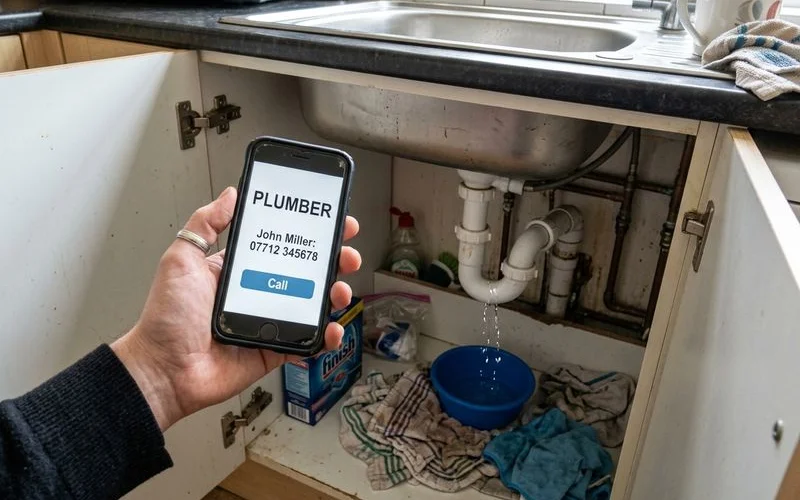
What Actually Moves the Final Bill
Every job is different, and an honest estimate depends on more than the symptom. These are the things that typically change the price:
- Time of day. Nights, weekends, and holidays may cost more. Ask.
- Access. A shutoff behind a finished wall or a line under a slab takes longer than one in an open garage.
- Diagnosis needed. A camera inspection or leak location adds equipment time but can prevent a wrong repair.
- Parts. Fixture brand, water heater size and fuel type, and code items like California’s required water heater strapping all count.
- Scope changes. A simple clog that turns out to be a broken line is a different job.
- Permits. Some work, especially water heater replacement, can require a permit. Ask whether yours does and who pulls it.
Six Questions Worth Asking Any Plumber
- Is there a service call or diagnostic fee, and is it applied to the repair?
- Is the estimate free, and will I get it in writing? Written estimates help with insurance claims too.
- Flat-rate or hourly?
- Do nights or weekends cost more?
- What happens if the job is bigger than expected? The right answer: work stops, you see the problem, and you approve the change first.
- Can I see the problem? Camera footage of a broken line or the old part that failed.
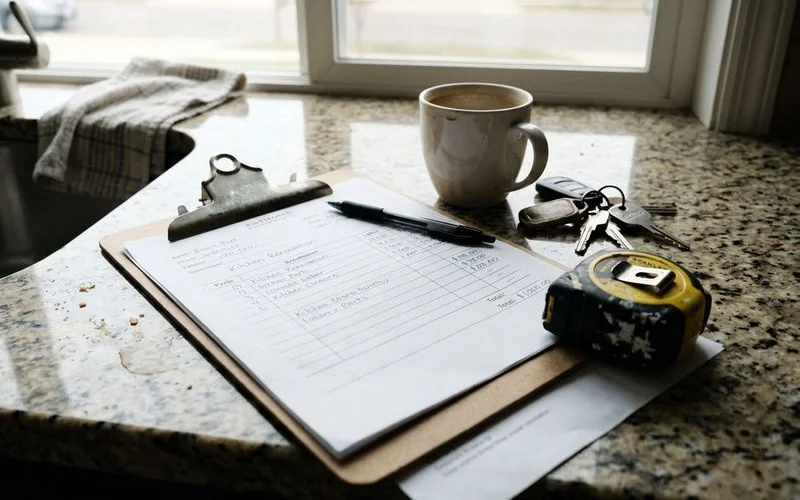
Check the License Before Larger Work
California contractors doing work above a certain value need a license from the Contractors State License Board. Before a big job like a repipe, slab leak repair, or sewer line replacement, look up the contractor at cslb.ca.gov. The lookup shows whether a license is active and what kind of work it covers. It takes about two minutes.
Red Flags
- No fee information until arrival.
- Pressure to sign a large job on the spot. A burst pipe needs fast action. A whole-house repipe almost never needs a same-hour signature.
- A total price with no description of what’s included.
- A recommendation with no diagnosis, like “replace the heater” without anyone checking the tank, or “dig up the yard” without camera footage.
- No written estimate for significant work.
How Victorville Plumbing Pros Handles It
You can request a free estimate. Calls are answered 24/7 in English or Spanish by an automated bilingual assistant that takes down what’s happening, where, how long it’s been going on, and whether the water is off, then routes it to a local plumber. Ask about any service call fee on that call; that’s the right moment to get it settled. If water is actively flowing, see what to do when a pipe bursts first, close the main, and then call about emergency plumbing.
The short version
Ask about fees on the phone, get significant estimates in writing, and approve changes before the work grows. That covers most surprises.
For non-urgent jobs, the free estimate form lets you describe the problem in writing. Service covers Victorville and the rest of the Victor Valley.